How can you enjoy Italian art without museum fatigue?
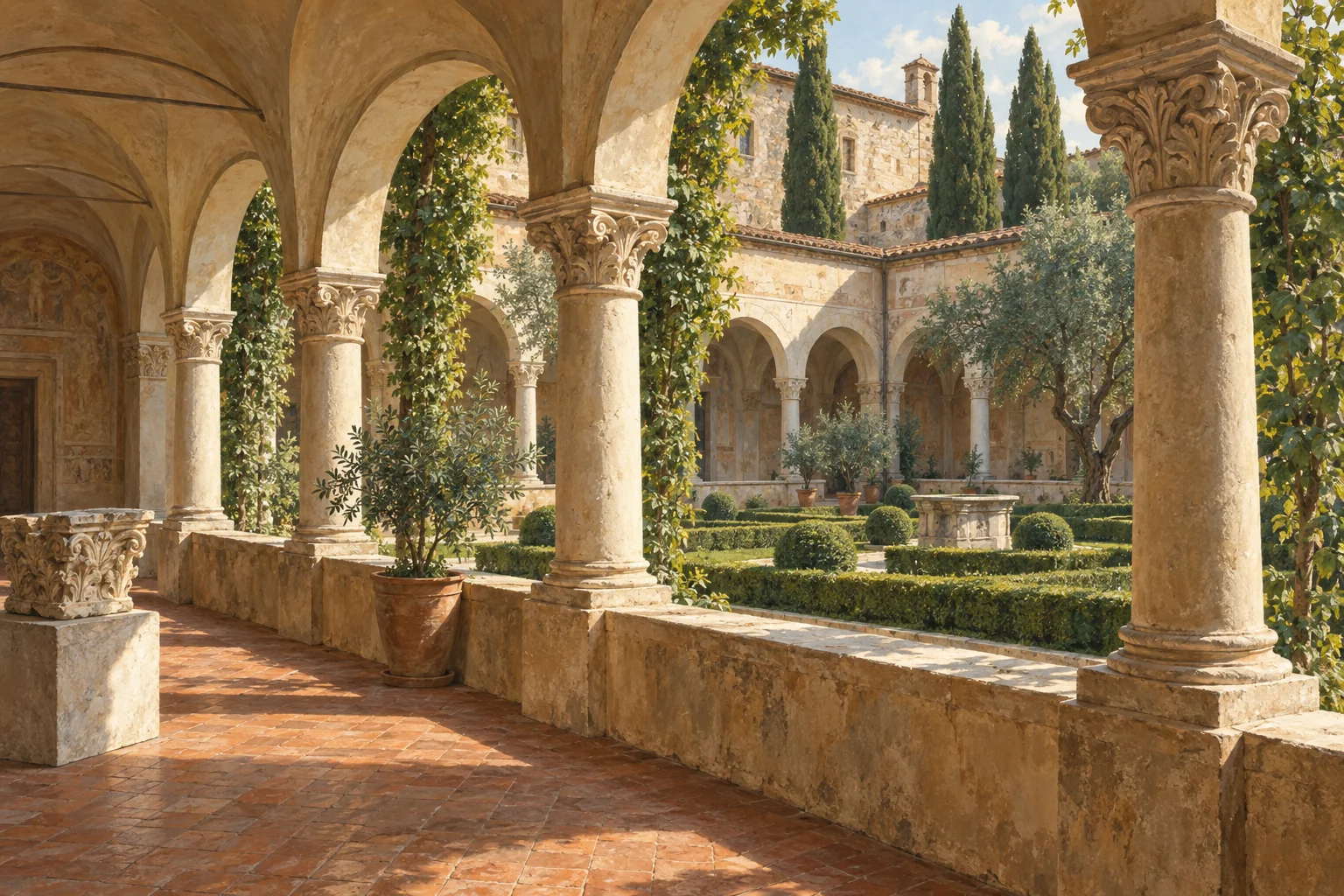
Museum fatigue is not evidence that you lack an appreciation of art. It often means the visit has asked you to absorb too much without a useful structure. Italy offers more cultural material than any single trip can contain. The answer is to choose deliberately, look closely and stop while you still have the attention to enjoy what you see. A few meaningful encounters can stay with you longer than a blurred sequence of celebrated rooms.
Choose a question for the visit
Before entering, decide what you want to understand. You might be curious about how an artist creates depth, how a sculpture changes as you walk around it, or why an everyday object was designed in a particular way. A question gives unfamiliar material a point of entry. It also gives you permission to pass some things without feeling that you have failed.
The official Italia.it museum guide introduces different forms of cultural discovery, including science and interactive interpretation. Art travel does not need to consist exclusively of traditional picture galleries. If the group has varied interests, choose experiences that offer different kinds of participation across the trip.
Look before reading everything
Spend a short uninterrupted interval with a work before reading its label. Notice where your eye goes, what seems unusual and which details you cannot explain. Then read enough context to test those first impressions. The label becomes an answer to your curiosity rather than an instruction to memorise a paragraph.
Try the same process with three works instead of repeating it mechanically through every room. Compare what changes between them. Our guide to reading historical layers suggests further questions about setting, use and patronage. You do not need to become an expert to make a thoughtful observation; you need time to look and a willingness to revise your first idea.
Use a guide for interpretation, not merely navigation
A guide can be valuable when a collection is dense or a subject unfamiliar. Look for an experience whose emphasis matches your interests and whose length suits your attention. Ask whether the route concentrates on selected works or attempts a broad survey. Both approaches can be useful, but they produce different visits.
Browse our cultural experiences and read the exact inclusions. A museum admission, a guided gallery visit and an exterior art walk are not interchangeable. Our booking guide explains the checks that matter before paying, including time, language, access arrangements and whether a particular collection is actually included.
Change the type of looking
After a concentrated gallery morning, consider a walk, a workshop or a meal rather than another large collection. Architecture offers a different scale; a hands-on class changes the relationship between observation and making. A design museum can bring questions about function and materials into an otherwise painting-led trip.
The official YesMilano design itinerary offers examples of institutions devoted to that subject. Our Venice and Milan comparison shows how a northern stop can change the cultural rhythm of the journey. Variety works best when it follows genuine curiosity rather than an obligation to sample every medium.
Plan for bodies as well as minds
Standing, slow walking and crowded rooms can be physically tiring. Check seating, toilets, cloakroom rules and access information before a long visit. Bring only what the venue permits and avoid arriving hungry when a substantial route lies ahead. A practical break can restore attention more effectively than trying to push through the final galleries.
For children or mixed-interest groups, agree on a small number of shared highlights and a clear stopping point. If the venue offers an appropriate family activity, inspect its age range and format. Do not assume that a famous collection is automatically the right educational experience for every child at every stage.
Keep the rest of the day proportionate
Timed admission does not mean an entire museum can be experienced in a tightly fixed interval. Leave margin before the next appointment. The Uffizi’s official ticket guide is one example of why booking arrangements should be checked at the venue level, while the pace inside remains a personal planning decision.
Use our budget guide to choose where a guided experience adds value and where independent visiting suits you. At the end of the day, write down one work, one detail and one question you want to pursue. That small record is more useful than a phone full of unreadable labels. The Italy planning framework helps protect enough space for art to remain a pleasure throughout the journey.
Sources & further reading
Turn a good read into a great day.
Find a highly rated Italian experience that brings these stories to life.
Explore related experiences →