How can you plan ten days in Italy without rushing?
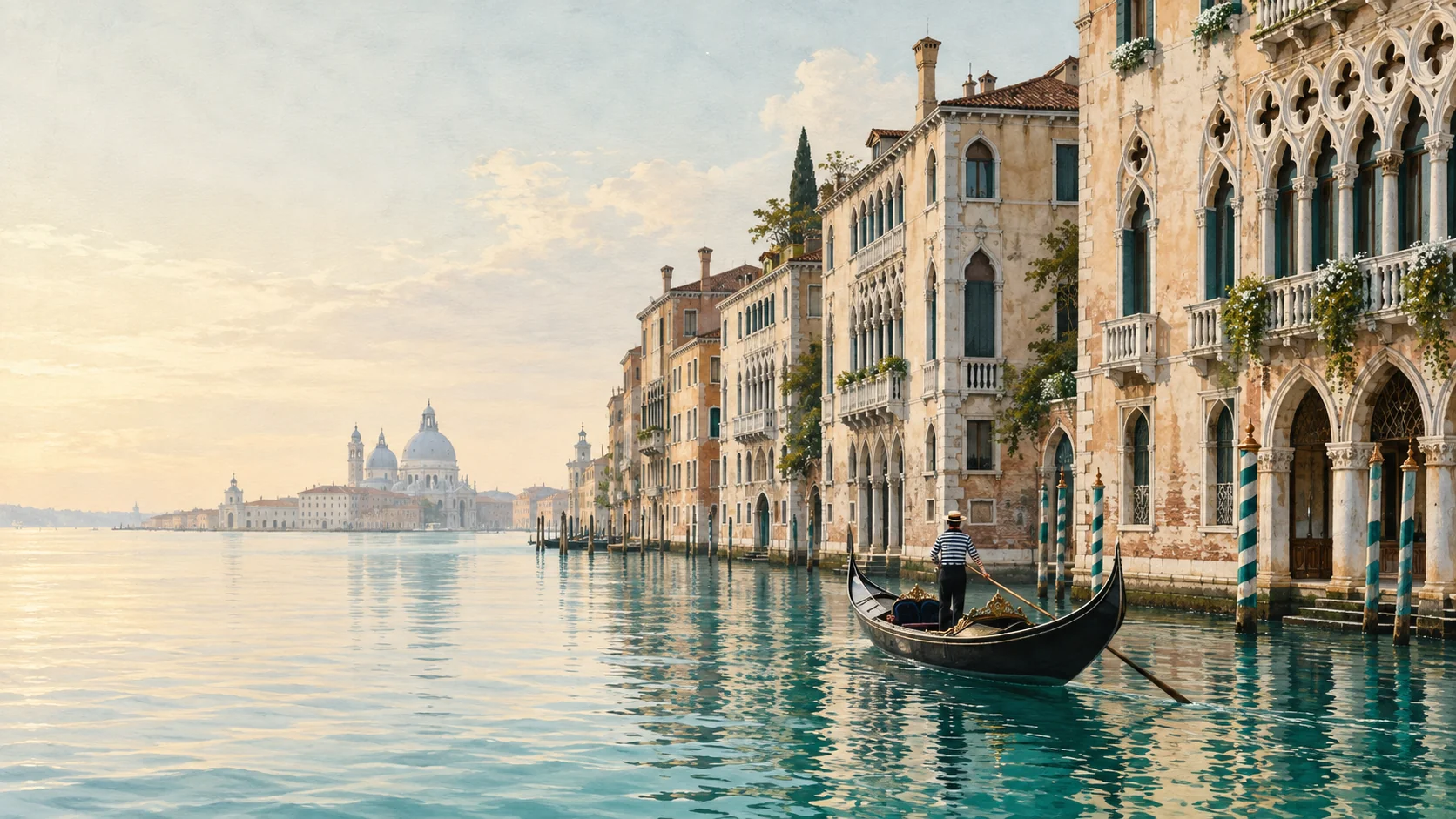
Ten days can support an enjoyable introduction to Rome, Florence and Venice, provided that you give the journey a clear shape. This suggested route uses three bases and two intercity moves. It is a planning framework rather than a timetable or a promise that every attraction is available. Reverse it if your flights work better, and reduce it to two bases if your group prefers a slower rhythm.
Divide the nights before filling the days
For a trip spanning ten calendar days and nine nights, consider four nights in Rome, three in Florence and two in Venice. This gives the first city room for arrival recovery and leaves at least one full day between each city’s arrival and departure. If Venice is a major interest, move one night there from Rome rather than adding an extra stop.
Check rail options with an official operator such as Italo’s destinations and timetable service. Search exact dates and stations before committing to accommodation. The purpose is to choose sensible travel periods, not necessarily the earliest train. Leaving a city after breakfast can be more useful than gaining an hour at the cost of a difficult dawn departure.
Days one to four: give Rome distinct themes
Keep the arrival day light. A short walk near your accommodation, food and an early night can be a successful beginning. On the next full day, choose one substantial ancient-history experience and let the surrounding hours remain local. Use the Rome day-planning guide to understand how the area around the Colosseum can form a coherent day.
Give another day a different emphasis: art, a neighbourhood food walk or churches and public squares. Do not assume that a tour of one major attraction leaves enough energy for another equally substantial visit immediately afterwards. Reserve the final Rome day for the interest you most want to deepen, with one flexible interval for something discovered after arrival.
Days five to seven: change scale in Florence
Travel to Florence on day five and keep the afternoon adaptable. Take an orientation walk, locate the next day’s meeting point and enjoy the river without converting the arrival afternoon into an obstacle course. The city’s artistic importance is inseparable from its streets and buildings, a relationship outlined in UNESCO’s account of historic Florence.
Choose one main gallery or art experience for day six. On day seven, consider a food activity, another artistic theme or an unhurried walk across a different part of the centre. Florence’s one-day guide can help organise a compact route, but you do not need to repeat its full structure each day. Repetition with attention can be more rewarding than constant novelty.
Days eight to ten: let Venice slow the ending
Travel on day eight, then allow time to understand the route to your accommodation. Luggage, bridges and unfamiliar directions can make the final stretch more demanding than the rail journey. A simple evening near where you are staying gives the city time to become legible. Do not book an activity that requires racing from the station with your bags.
On day nine, pair one reserved experience with a walk that has no competitive target. Use the Venice destination guide to compare options and read the operator’s meeting instructions closely. Day ten belongs first to your onward journey. A final coffee or short walk is a bonus only when the departure logistics genuinely allow it.
Protect the route from its most tempting additions
This plan does not need a countryside day, an island excursion and another major city to become worthwhile. Each addition consumes the very time that makes three bases workable. Read our day-trip decision guide before attaching an excursion. If it would remove your only full day in a city, ask whether that city should be in the itinerary at all.
Use our advance-booking guide to identify the experiences that deserve early attention. Place those first, then leave meals and smaller walks around them. An unavailable ticket does not mean the whole trip has failed; choose another meaningful encounter rather than paying for a product whose inclusions you do not understand.
Make the plan yours
The useful structure is three bases with protected full days, not an obligation to visit these particular cities. A food-led trip could substitute Bologna for one stop; a southern route might centre on Rome, Naples and Sorrento. Compare first-trip city choices and the Italy planning page. Ten days feel generous when the experiences belong together and the spaces between them are allowed to remain spaces.
Sources & further reading
Turn a good read into a great day.
Find a highly rated Italian experience that brings these stories to life.
Explore related experiences →