Where should you go on your first trip to Italy?
Italy becomes easier to plan when you stop asking which city wins and start asking what kind of day you want. Would you enjoy an ancient site followed by a long lunch, a painting examined slowly, a market conversation, or an evening beside the water? Those preferences reveal more than a list of famous places. A first trip needs a clear direction, not a representative sample of an entire country.
Choose two interests before choosing cities
Write down two things you would be disappointed to miss. Be specific: learning how a Roman building worked is different from seeing every celebrated monument; making pasta is different from photographing restaurant windows. Then identify the city that best supports each interest. If both point to the same place, that is a useful answer. You have found a base with enough substance to keep you interested.
Rome is a strong starting point for travellers curious about the interaction of ancient remains, churches and later city life. UNESCO’s description of Rome’s historic centre treats that layering as central to its importance. Our Rome destination guide connects this broad idea to bookable experiences. Allow room to walk between sites; the city is more than a sequence of admissions.
Match the second city to a different rhythm
Florence can work well for travellers who want a concentrated encounter with art and architecture. Its UNESCO listing highlights the relationship between artistic achievement and the historic city. Pair a gallery with an outdoor walk, rather than assuming that two consecutive museums will feel twice as rewarding. Our guide to enjoying Italian art without museum fatigue helps build that balance.
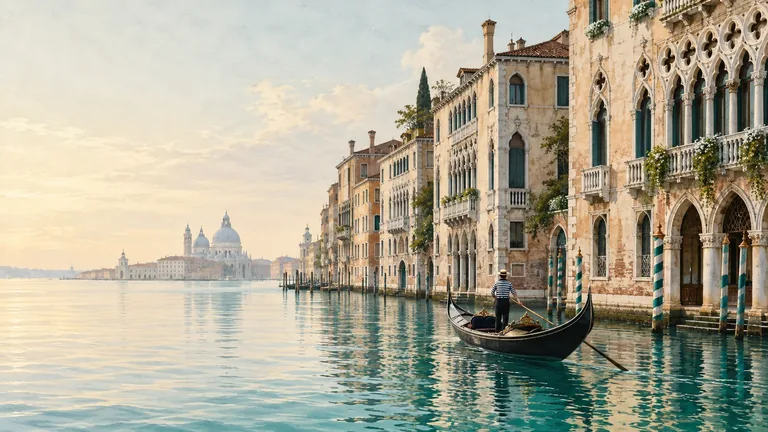
Venice offers a different spatial experience: movement along lanes, across bridges and over water. Milan suits an interest in design as well as historic art; the official YesMilano design guide is a useful starting resource. Neither city should be treated as an interchangeable final stop. Compare Venice and Milan through the days you could actually spend there.
Give food and the south a fair hearing
Bologna is worth considering when markets, pasta and street architecture appeal more than ticking off the most familiar landmarks. Naples rewards an appetite for dense urban history and food culture. Sorrento offers a smaller base from which coastal excursions may form part of the trip. These are different propositions, not ranks in a league table. Your own interests should determine their place in the route.
Look at Bologna’s food experiences and Naples walking tours before deciding. A particular class or thoughtful historical walk can make a city much more compelling than a generic photograph. Read departure locations carefully: an excursion sold for a region may begin somewhere other than the town where you plan to sleep.
Count usable days, not flight dates
A ten-day holiday can contain fewer than ten full sightseeing days. Arrival, departure and moving between hotels all consume attention. Mark those periods honestly, then give each base enough unbroken time for one substantial experience and a less structured day. If every morning begins with repacking, the route is probably asking too much of your available time.
Use our guide to choosing a trip length before buying transport. For a short first visit, two complementary bases can produce a richer experience than four rushed introductions. For a longer stay, add a change of setting only when it contributes something you actually want: countryside, a coast, a different artistic period or a food tradition.
Make the route easy to live with
Check how you will travel between the specific stations, accommodation and meeting points. A convenient intercity service does not remove the time needed at either end. Our train-versus-car guide explains how to choose transport for the itinerary rather than designing an itinerary around a rental agreement. Avoid booking an irreplaceable tour immediately after a long arrival journey.
Finally, leave one part of the plan deliberately undecided. You may discover that a neighbourhood deserves another walk, or that the group wants a quieter afternoon. Start with the Italy planning guide, reserve the experiences that matter most, and let the remaining hours become a conversation with the place. A successful first trip makes Italy feel more intelligible while leaving plenty to return for.
Sources & further reading
Turn a good read into a great day.
Find a highly rated Italian experience that brings these stories to life.
Explore related experiences →