When is the best time to visit Italy for your kind of trip?
The best time to visit Italy depends on what you want the days to contain. A museum-focused city break, a coastal excursion and a mountain holiday ask different things of the weather and local services. Instead of searching for one universally perfect month, choose the activities that matter, identify their practical requirements and compare a few dates around those requirements.
Separate weather preferences from travel priorities
Write down what would genuinely limit your enjoyment. Some travellers are comfortable with warm weather but dislike long indoor queues. Others value long evenings, prefer cool walking conditions or want a particular event. These preferences can point in different directions. Agree on them before choosing dates, especially when several people are travelling together.
The official Italia.it seasons guide presents travel possibilities throughout the year. It is a useful reminder that Italy is not a single seasonal product. Our advice is to choose a season for a specific route, then check local conditions and services as departure approaches. A national overview cannot predict the weather on your museum day.
Spring and autumn for a walking-led route
Spring and autumn are sensible periods to investigate when your priority is spending substantial time on foot in cities. That is an editorial preference rather than a guarantee of mild weather, low prices or empty streets. Popular dates, school holidays, festivals and major events can still create busy periods. Compare actual accommodation and attraction availability before assuming a bargain.
Build a mix of outdoor and indoor activities. A walking tour followed by a gallery can give the day flexibility, provided that the bookings leave a realistic gap. Our walking-tour collection and guide to choosing art experiences can help. Pack layers and a practical rain plan instead of relying on a seasonal label to do the work.
Summer needs thoughtful daily pacing
If summer is when you can travel, design the day around comfort. Keep long outdoor stretches proportionate to the forecast, arrange breaks and avoid treating every daylight hour as sightseeing capacity. A shaded lunch, a museum or a rest at the accommodation can be part of the itinerary rather than a failure to make the most of it.
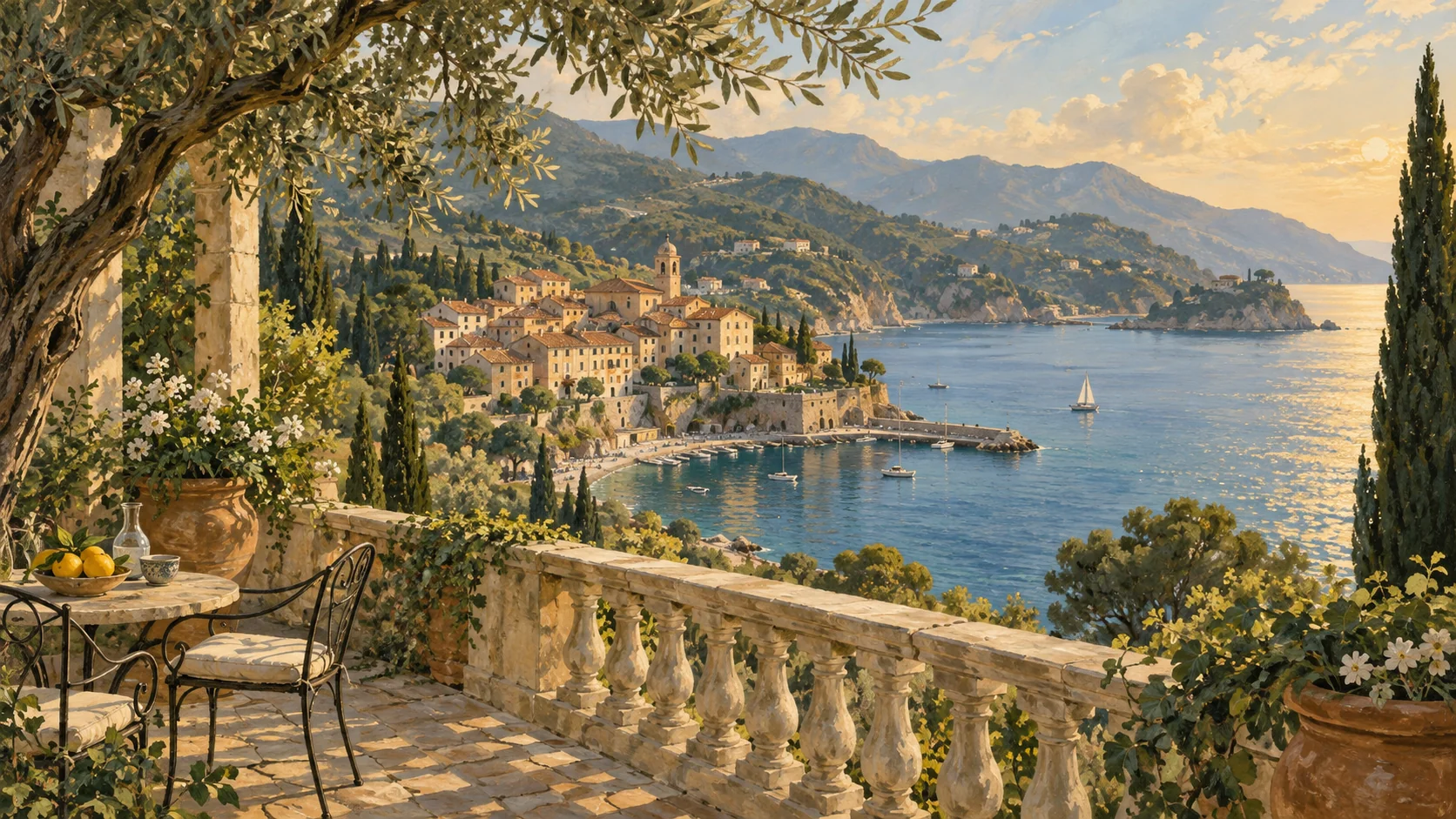
Coastal plans need separate checking. Confirm the actual excursion season, departure point and operator’s weather policy. A beautiful coastal photograph does not guarantee that a particular boat trip runs on your date or that every stop is possible in the conditions. Our Naples and Sorrento comparison helps distinguish a city-based stay from a trip built around the coast.
Winter can support a different Italy
A winter visit may suit travellers who want galleries, food and urban culture. Plan around shorter daylight and check opening calendars carefully. Do not assume that every city is quiet or every hotel inexpensive: holiday periods, fairs and events can change the picture. A good winter route is based on activities that appeal in winter, not merely on a discounted version of a summer plan.
Milan’s design and art choices, Bologna’s food experiences and Rome’s layered history can all provide starting ideas. Visit the relevant Milan or Bologna destination guide to see what matches your interests. Give evening return journeys the same attention you would give the main attraction.
Treat landscape trips as local decisions
Mountains, islands and rural areas require more precise research than a country-wide season recommendation. Trail access, transport and excursion operations can vary. The official national nature guide can inspire the choice, but local authorities and operators should inform the final plan. Avoid transferring advice for a city weekend to an outdoor itinerary.
If nature is a major part of the holiday, give it adequate time and a weather alternative. Our two-week planning framework shows how a slower interval can sit beside city stays. It is usually more resilient than attaching a weather-dependent outing to the only spare afternoon before a flight.
Compare real dates rather than slogans
Choose two or three possible travel windows and price the same outline itinerary in each. Compare accommodation, transport and the experiences you genuinely want. Note any important event or closure, then decide which compromise suits you. The budget guide explains why the total trip matters more than one apparently cheap component.
Once you book, keep checking official information as the date approaches. Use our planning page to connect seasonal ideas with specific destinations. The best season is the one that supports the trip you intend to take, with enough flexibility to enjoy the weather you actually receive.
Sources & further reading
Turn a good read into a great day.
Find a highly rated Italian experience that brings these stories to life.
Explore related experiences →