How can you explore Italy through its regional food?
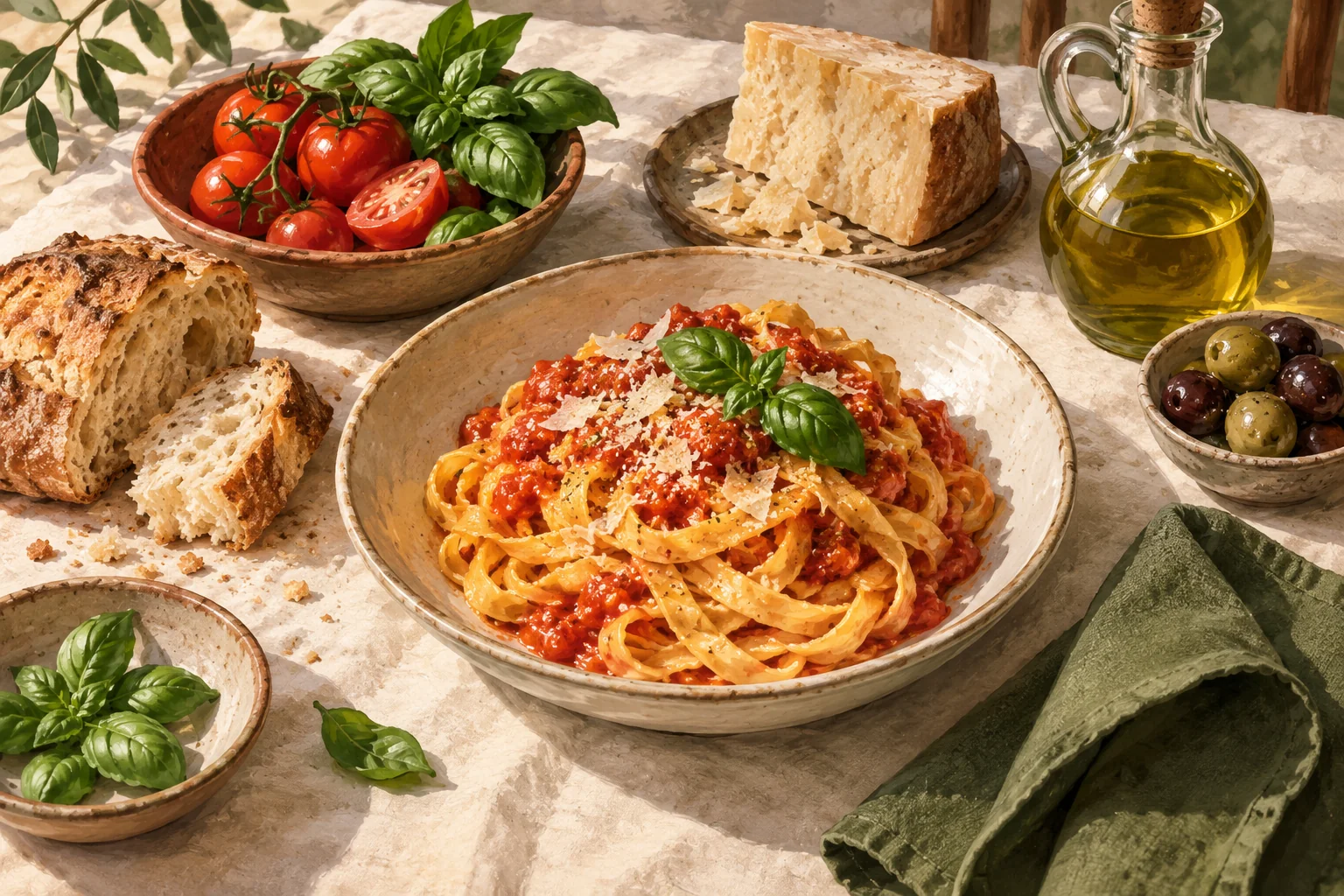
Food is one of the most enjoyable ways to notice that Italy is not a single uniform experience. A familiar dish may change between places, while a local speciality may be something you have never encountered on a menu at home. Approach the table with curiosity rather than an examination sheet. You do not need to eat everything to understand that ingredients, techniques and habits belong to particular settings.
Let place lead the first choice
Start by asking what the town or region is known for and what is available now. The official Italia.it food guide emphasises regional specialities. That is a useful direction for travel: choose a few local things to learn about instead of ordering the same familiar meal at every stop.
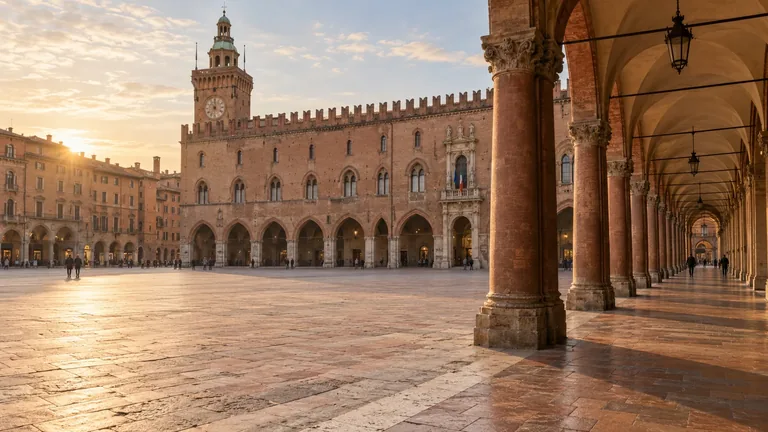
Bologna Welcome’s local food introduction, for example, points to fresh egg pasta, including tagliatelle and tortellini. Use that as an invitation to ask about technique, filling or serving style. It does not mean every restaurant must serve an identical version, or that a meal outside the traditional repertoire is somehow invalid.
Visit a market with a question
A market becomes more interesting when you look for one thread: bread, seasonal produce, cheese, preserved ingredients or the way shoppers use the space. Notice what requires preparation and what is ready to eat. Read labels, ask a concise question when the seller has time and buy something if you want to engage more deeply with the stall.
Keep working spaces usable. Avoid blocking counters for photographs and ask before making someone the subject of an image. A market is a place where people shop and earn a living, not a free exhibition arranged for visitors. Our walking-tour guide offers a useful way to judge experiences that combine neighbourhood history with food stops.
Choose between tasting and making
A tasting walk can introduce several foods while explaining their local context. A cooking class offers a more concentrated encounter with ingredients and technique. Choose according to the kind of participation you enjoy. If you want to leave able to repeat a skill, check how much hands-on work each participant actually does and whether recipes are provided.
Compare Bologna’s food activities with Naples food experiences to see how the emphasis changes. Read the exact inclusions: the number of tastings, beverages, transport, group size and whether the experience replaces a meal. More stops do not automatically mean better explanation or more satisfying food.
Leave room for ordinary meals
Not every meal needs a reservation, an origin story or a guide. A simple lunch near the day’s route can be exactly right. Give yourself permission to repeat something you loved. Food travel is not a competition to maximise distinct dishes, and appetite is a finite resource even on holiday.
Plan a substantial tasting activity away from another large meal. Drink water, take breaks and consider the needs of the whole group. A traveller who cannot eat many of the advertised foods may need a different experience, not merely a hopeful note in a booking form. Confirm dietary arrangements directly before paying when suitability depends on them.
Look beyond the plate
Food also connects to the spaces in which it is made and shared: a workshop, a market street, a café counter or a table set for conversation. Venezia Unica’s responsible-visitor guide encourages engagement with local cuisine and artisan activity. Apply the same attentive attitude wherever you travel, while respecting each place’s own rules.
A good question can open a useful conversation: what makes this version local, which ingredient matters most, or what changes with the season? Avoid asking a host to settle a grand contest over the country’s best cuisine. Specific curiosity produces better answers than a demand for a national winner.
Build a food-led itinerary without overloading it
One class, one guided tasting and several independent meals may be plenty for a short trip. Use our budget guide to decide where spending adds the most value. A food experience can deserve the same protected time as a major museum, rather than being squeezed into an already crowded evening.
The national dining collection connects regional choices, while our guide to adding Bologna to an Italy route shows how a food interest can influence the whole journey. Take home a technique, a new preference and a better question to ask next time. Those souvenirs occupy very little luggage space.
Sources & further reading
Turn a good read into a great day.
Find a highly rated Italian experience that brings these stories to life.
Explore related experiences →