How do you choose a worthwhile walking tour in Italy?
A worthwhile walking tour changes what you notice after it ends. It may explain how a street developed, why a façade looks unusual or how an everyday food connects to a neighbourhood. The best choice for you is not necessarily the longest route or the product with the most famous names. Start with the question you want the walk to answer and the pace your group can comfortably enjoy.
Choose a theme that gives the walk a purpose
An introductory walk, an architecture route and a food tour perform different jobs. An introduction helps you orient yourself and identify places to revisit. A specialist walk can go deeper into a narrower subject. A tasting route divides attention between movement, explanation and food. Read the description for an actual theme rather than assuming all walking tours provide the same content.
Our guide to reading Italy’s historical layers offers questions you might bring to a city walk. If you are most interested in social life, ask how the route addresses it. If you want an architectural explanation, look for more than a list of photo stops. A focused experience often provides a clearer memory than a rapid survey.
Examine the route as a physical experience
Check where the walk begins and ends, how long it lasts and whether there are stairs, bridges, slopes or prolonged standing. Distance alone does not describe difficulty. A short route with repeated steps can be demanding, while a longer route with seats and pauses may suit some travellers better. Ask the operator about the specific barriers relevant to your group.
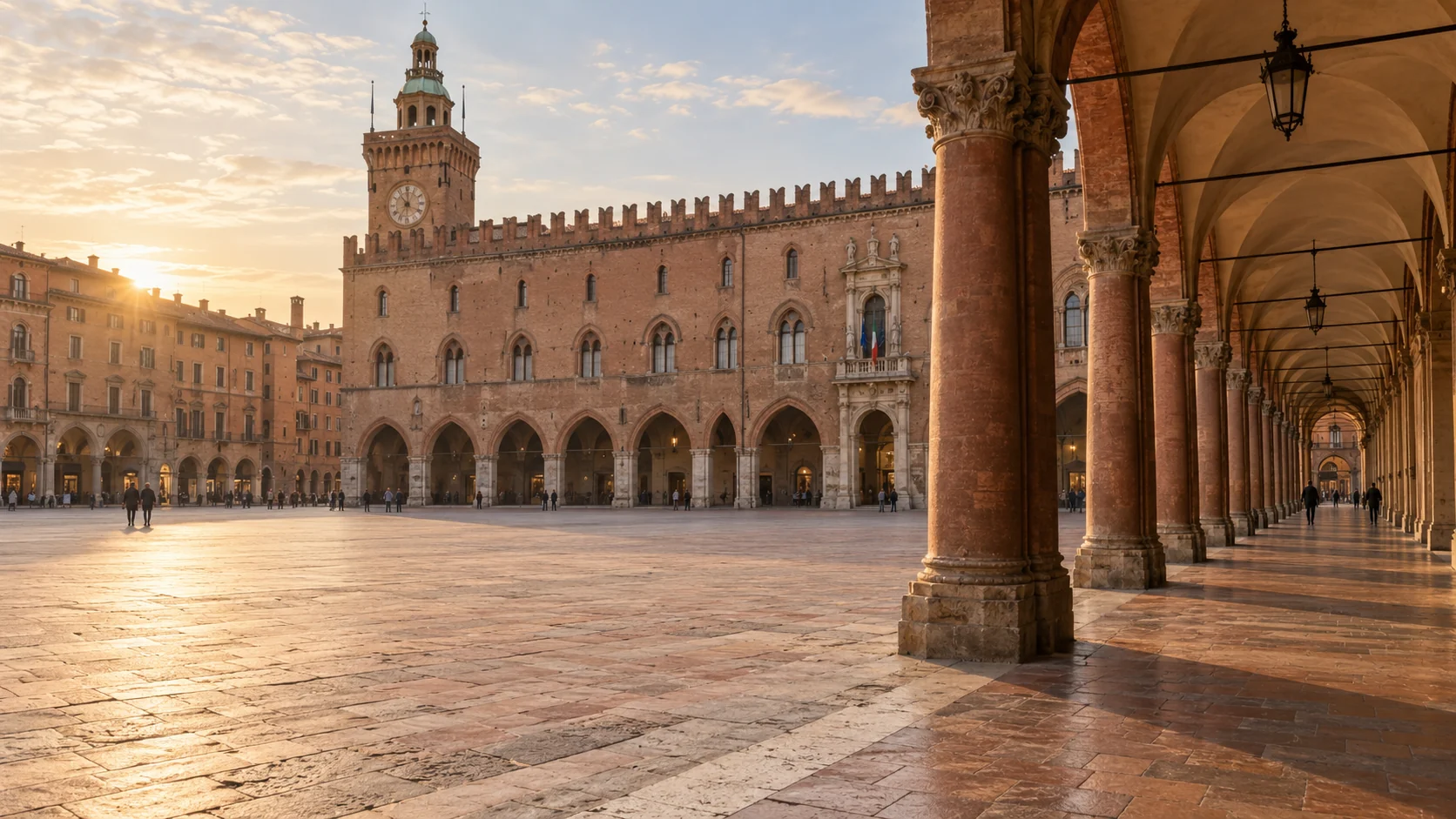
Bologna’s porticoes offer one distinctive walking environment. UNESCO’s listing of selected portico ensembles highlights their architectural and social roles. That context can make a walk richer, but a covered route is not automatically level or fully accessible. Our Bologna guide helps identify experiences to investigate further.
Distinguish seeing a building from entering it
A route may stop outside a museum, church or palace without including admission. Look for explicit wording about interiors and tickets. If a particular room or collection matters to you, confirm that it is part of the selected option. A photograph of an interior does not by itself establish what your booking includes.
Read our booking checklist before paying. Check whether you need a separate venue reservation, whether the tour operates around worship or other events, and what happens if an interior is unavailable. An exterior-focused walk can be excellent when chosen knowingly. Disappointment often begins when the traveller and operator imagine different experiences from the same title.
Compare group size and communication
Consider how comfortably you can hear, ask questions and keep together. A smaller group may make conversation easier, but guide quality and route design also matter. Check the language and whether commentary is live. If hearing support or a particular communication arrangement is important, seek a concrete answer rather than relying on a general suitability label.
Read reviews for repeated observations about clarity, pacing and organisation, alongside the overall rating and review count. A single enthusiastic sentence is less informative than a consistent pattern. Our curated walking collection provides a starting set of options; the final choice should still reflect your interests and practical needs.
Think about when the walk belongs in the trip
An orientation tour often works well early in a stay, because you can use what you learn afterwards. A detailed art or history walk may be more rewarding after you have spent a little time in the city. Avoid placing a long outdoor route immediately after a tiring arrival or before another activity that requires standing for hours.
Leave time afterwards to return to something that caught your attention. A café, small museum or side street mentioned by the guide can become the most personal part of the day. Our one-week itinerary guide explains why unassigned time is particularly valuable on a short trip.
Be a considerate part of the street
A guided group still shares space with residents, workers and other visitors. Keep entrances clear, move aside when listening and follow local instructions. Venice’s official Enjoy Respect Venezia guidance gives useful examples of how visitor behaviour affects a living city. Good interpretation and considerate movement belong together.
Bring curiosity as well as comfortable footwear. Ask a genuine question, listen to the answer and allow the place to be more complicated than its postcard image. Use the Italy planning guide to fit the walk into a balanced day. A strong tour should leave you better equipped to explore independently, with sharper eyes and a few promising questions of your own.
Sources & further reading
Turn a good read into a great day.
Find a highly rated Italian experience that brings these stories to life.
Explore related experiences →