How do you plan an Italian city walk for mixed energy levels?

A city walk in Italy works for mixed energy levels when it has a comfortable shared core, real places to pause and optional extensions that nobody is obliged to complete. Start with the group's practical needs, then choose the sights. A route that everyone can enjoy is more successful than a longer list completed by half the party while the others search for a seat.
Mixed energy can mean different walking speeds, children who need frequent breaks, someone recovering from a tiring transfer or a traveler with specific access requirements. Ask each person what helps without making them justify it. Distance alone rarely describes the experience: slopes, surfaces, steps, standing time, crowds and the route home all matter.
Choose one small shared story
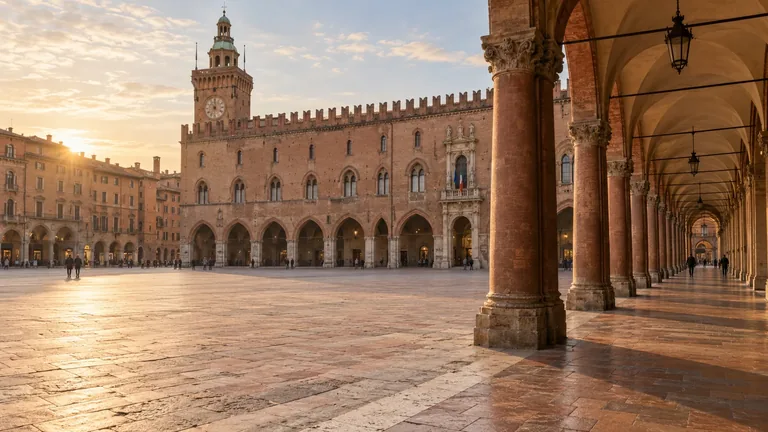
Give the walk a subject you can explore in a compact area: a square and its surrounding streets, a riverside chapter or a small group of public artworks. Three thoughtful stops can produce more conversation than a procession through ten unrelated landmarks. Our guide to reading Italian civic squares offers questions that work while standing still as well as while moving.
Make the core route complete in itself. An optional church, viewpoint or market afterwards should feel like an extra chapter rather than the destination everyone was secretly expected to reach. Agree on a clear meeting place if the party separates, and check that those taking a break have a comfortable, suitable option rather than merely an empty patch on a map.
Use local access information before drawing the route
Florence's official tourism service describes Passepartour, a set of routes and information for visitors using wheelchairs, including route choices and practical facilities. It is a useful reminder that two nearby attractions may need a carefully chosen connection. Use current local guidance and contact venues about the specific entrances or facilities you need.
In Venice, the city's barrier-free itineraries and official accessible-travel overview address routes through a city shaped by water and bridges. A straight line on a phone map does not explain the bridge between two points. Check the current route and transport details rather than assuming that every canal-side walk offers the same conditions.
These resources concern access, not a universal definition of an easy day. A traveler who can manage steps may still need frequent seating; someone using a wheelchair may be comfortable with a longer route if its surfaces and facilities are suitable. Let the individual's requirements lead, with official information supplying the detail.
Put pauses on the plan, not at its margins
Identify a realistic break before setting off. Check opening arrangements, seating, toilets and the journey to that stop. A café visit normally involves a purchase; a church entrance is not automatically a resting area. Keep an alternative in mind so that a closed door does not turn a modest walk into an improvised search.
Take breaks while people still feel comfortable. Waiting until the least energetic person is exhausted makes the return harder and can turn an enjoyable conversation into negotiation. A pause can become part of the visit: look at a façade, compare sketches, read a short description or simply watch how residents use the square. A day need not keep moving to keep being interesting.
Ask a guide about the route's actual demands
Before booking, ask about the longest stretch without seating, unavoidable steps, surfaces, hills and the finishing point. Check whether the advertised duration includes standing explanations, interior visits or transport. Our guide to choosing a worthwhile walking tour helps you compare formats, but the guide should confirm the arrangements for your party.
Private tours can offer a more personal format, although route changes and access still need agreement. Do not assume that private means step-free or that a standard small-group departure can change pace indefinitely. If an advertised experience does not suit everyone, different activities followed by a shared meal may be a better solution than asking one person to endure the day.
End while there is still something to enjoy
Plan the return with the same care as the outward route. A walk finishing elsewhere may leave another journey before anyone can rest. Bologna's official accessible tourism resources include dedicated itineraries and guides; combine local resources with Bologna Tour Hub's day planning when choosing a manageable city chapter.
Leave optional ideas for a later day. Our advice on avoiding museum fatigue applies outdoors too: attention needs space. Compare the Italy walking tours collection, confirm suitability and availability for the travelers taking part, and save the plan in your trip planner. Mark a booking complete only after receiving the actual confirmation. The best ending is often a relaxed conversation about what you noticed, with enough energy left for dinner.
Sources & further reading
Turn a good read into a great day.
Find a highly rated Italian experience that brings these stories to life.
Explore related experiences →