What does UNESCO World Heritage status mean for an Italy trip?

A UNESCO World Heritage listing can make an Italy itinerary more thoughtful, provided you use it as an invitation to understand a place. It is less useful as a scoreboard. Racing between famous names may produce a long list of places visited while leaving little time to discover why any one of them matters.
The World Heritage Centre’s selection criteria concern outstanding universal value. They encompass different kinds of cultural and natural significance. A listing therefore tells you that there is a particular story worth investigating. It does not tell you that every visitor should prefer that place to every unlisted museum, neighbourhood or landscape.
Read the reason for the listing, not just its name
Before adding a destination, spend a few minutes with its official description. What is being recognised: a kind of architecture, an urban history, a landscape, an ecosystem or an exchange of ideas? Choose one point that interests you and let it shape your visit. You might look at how buildings meet a street instead of photographing only the grandest facade.
Our guide to reading the layers of Italian cities takes a similar approach. A useful historical question turns an apparently ordinary detail into something worth noticing. The listing supplies context, but your experience depends on slowing down enough to connect that context with the place in front of you.
Understand what a serial property includes
Some listings consist of several component places. The Porticoes of Bologna, for example, comprise twelve selected components representing different forms and periods within the city’s much larger portico network. It is not accurate to treat every covered pavement in Bologna as an individually inscribed monument.
For practical planning, that means choosing a component or route with a clear purpose. Our Bologna publication explains what makes a portico part of the UNESCO property. You can enjoy other porticoes too. The boundary helps you understand the designation; it need not become a boundary around your curiosity.
Do not mistake a historic centre for a single attraction
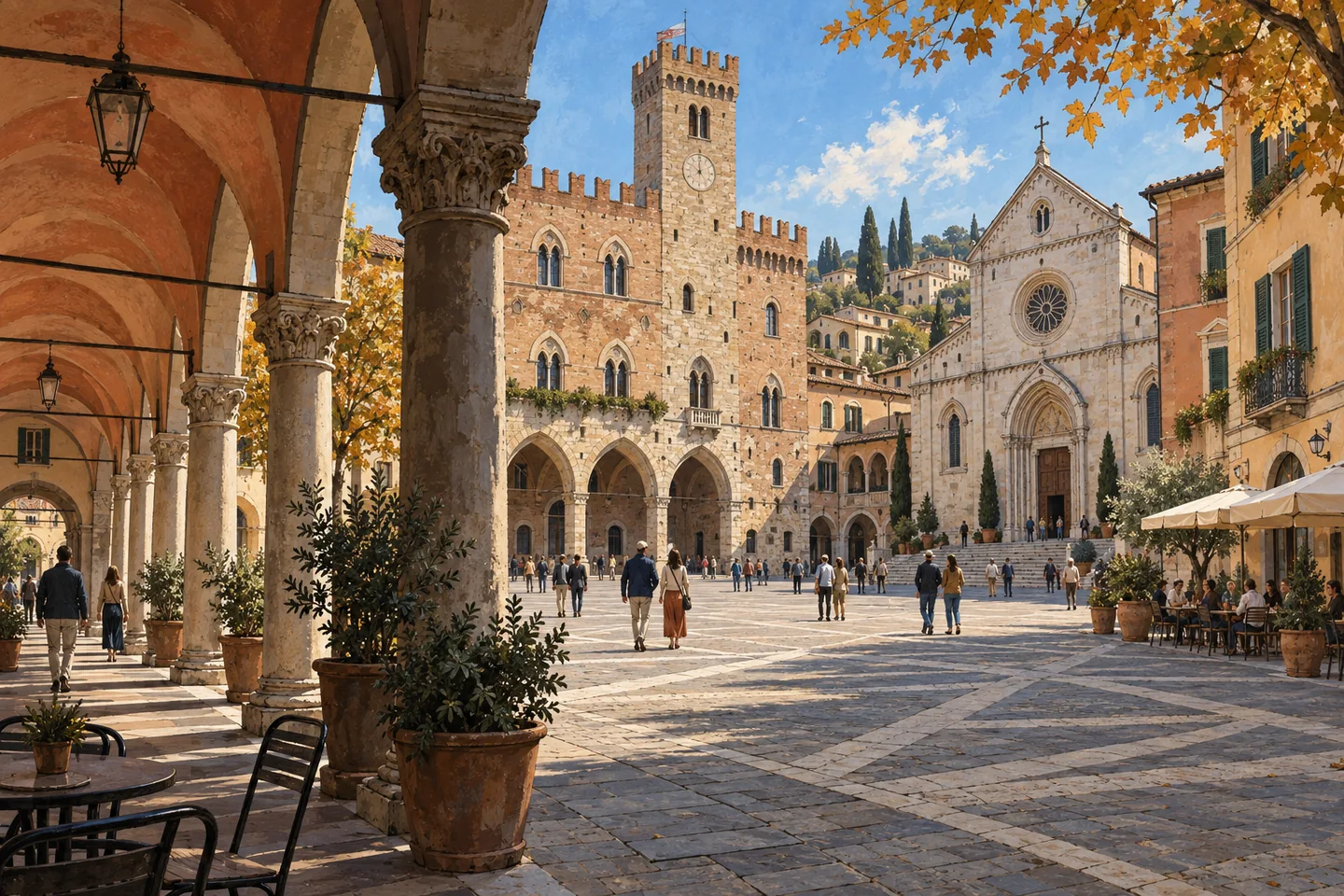
The Rome listing brings together a complex urban history and associated properties, rather than one building with one entrance. A city can contain daily work, homes, worship, traffic and cultural visits within a recognised historic landscape. The setting remains a living place.
Use Rome Tour Hub for the broader city, then turn to the Colosseum specialist guide when planning that particular archaeological visit. The distinction prevents one monument from standing in for all of Rome. It also helps you balance timed admission with streets, squares and neighbourhoods that deserve a less hurried encounter.
Keep designation and visitor access separate
A heritage label is not a ticket, reservation or opening-time guarantee. Find the actual operator of the museum, monument or activity you want to visit and check its current arrangements. Different parts of a recognised area can have different owners, admission rules and accessible routes. A tour description should state what is included rather than relying on the prestige of a destination name.
Our guide to what to book ahead in Italy helps distinguish fixed commitments from flexible exploration. Keep those decisions separate from choosing the overall theme of your trip. You might reserve one important interior and leave the surrounding walk open, rather than attempting to book an entire city into consecutive slots.
Use heritage as a reason to travel more carefully
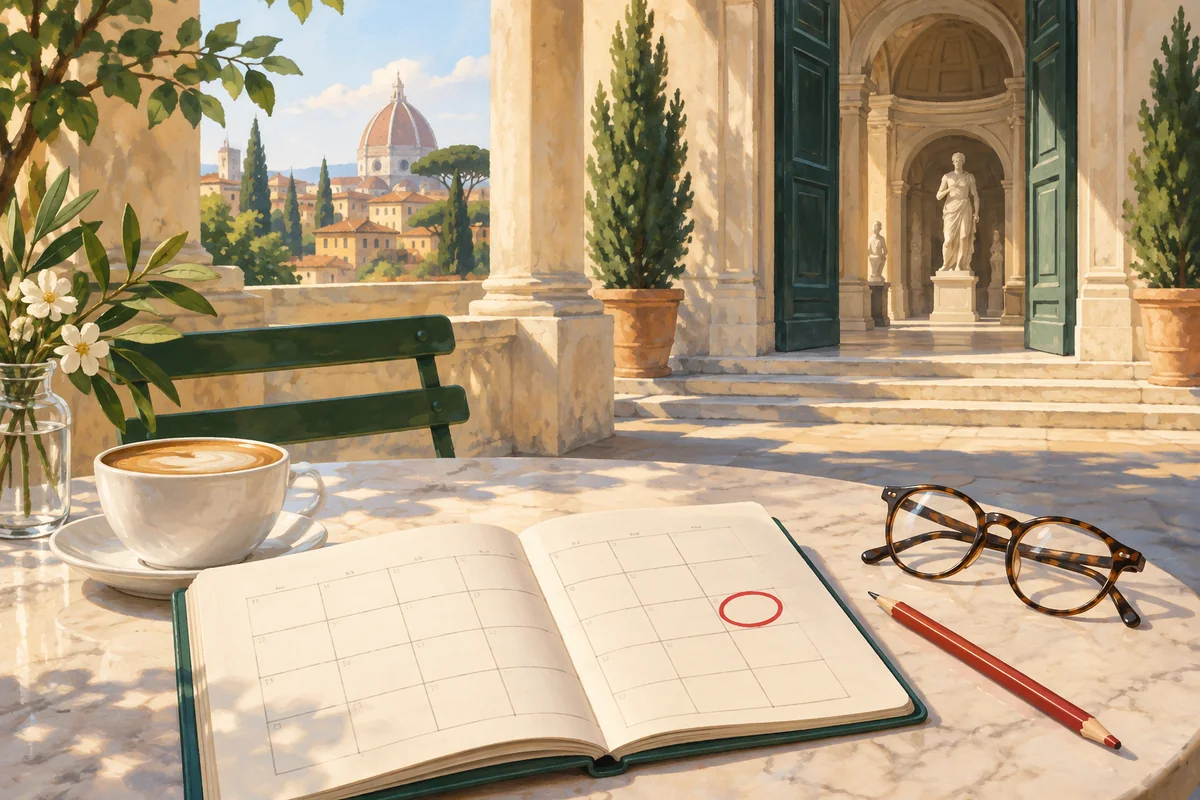
One practical method is to keep a small travel notebook with two columns: what the official account explains and what you noticed for yourself. You may discover that the most memorable observation is a pattern of wear on a threshold or the way neighbours use a square. Neither needs a famous label to deserve attention.
When a place matters to many people, a visitor’s small choices matter too. Follow marked routes, respect areas used for worship and avoid blocking everyday movement while taking photographs. Notice conservation work as part of the place’s continuing life, rather than as an inconvenience that has spoiled an otherwise perfect image.
Build a route around the interests and energy of your party. Our mixed-energy city-walk guide can help you decide where to pause and what to leave for another visit. Browse Italian walking experiences for interpretation that matches your chosen theme, checking the actual itinerary and inclusions. The official Italy listing is a useful source of further ideas, but the most rewarding trip is one you can experience attentively, not merely count.
Sources & further reading
Turn a good read into a great day.
Find a highly rated Italian experience that brings these stories to life.
Explore related experiences →