How do you choose an Italy food tour when your group has different diets?
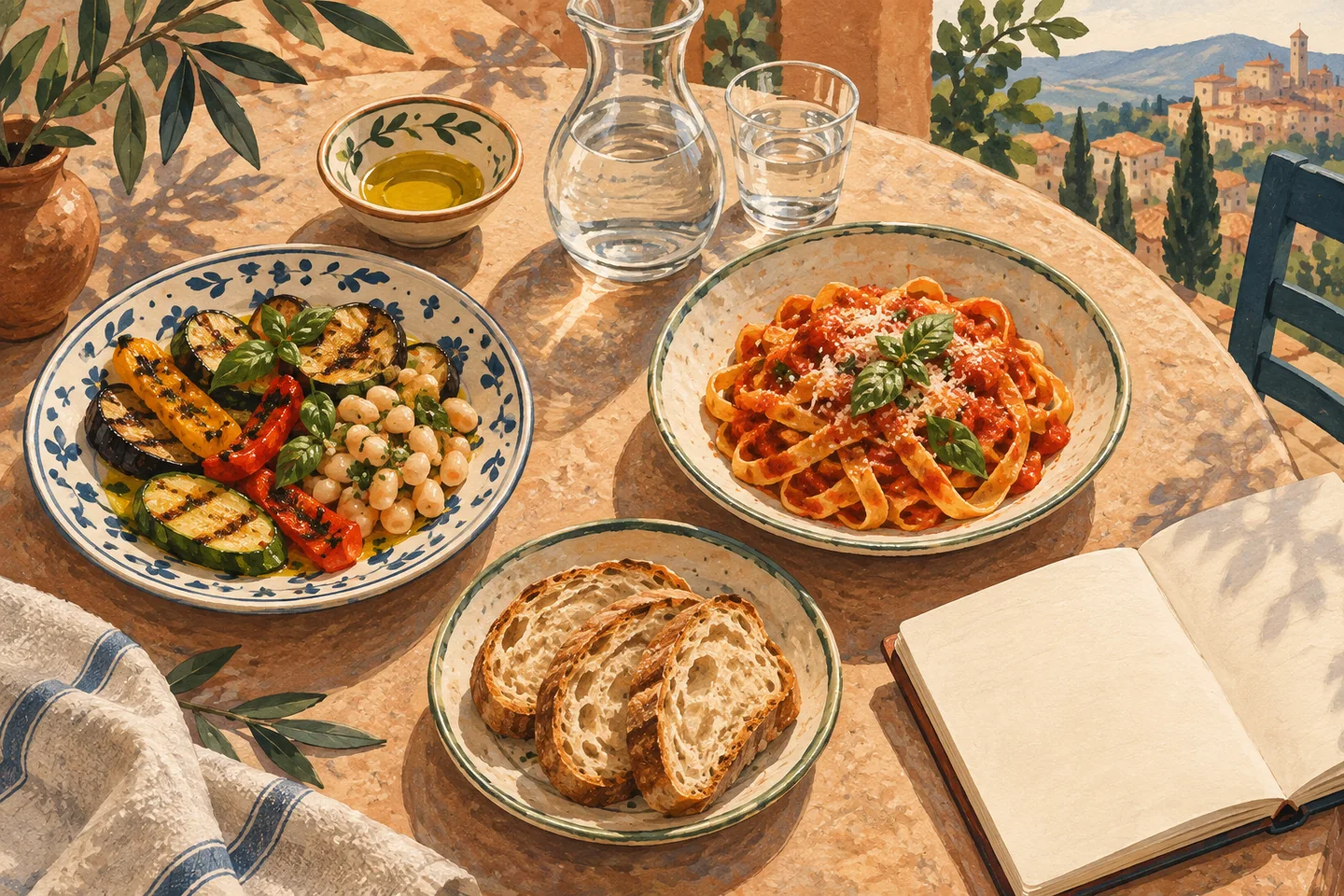
A good food tour gives everyone at the table something to enjoy and something to learn. Choosing one becomes more interesting when your group includes a vegetarian, someone avoiding dairy, a child with a short attention span and a traveler who would rather skip the wine. Begin with what each person needs, then compare the actual tasting itinerary. A broad promise of “local food” tells you very little about whether the experience fits your particular group.
Make a short brief before comparing tours
Ask each traveler which ingredients they avoid and whether the restriction is a preference, an intolerance or an allergy. Keep that distinction in your private planning notes, and communicate relevant requirements directly to the operator. A request for a different dish and a question about cross-contact are different conversations. Do not turn the guide’s enthusiasm, a photograph of vegetables or another guest’s positive review into a guarantee about how food will be prepared.
Next, record the non-food details that shape the outing: comfortable walking distance, need for seated breaks, children’s ages and whether anyone wants an alcohol-free experience. This brief should fit into a few clear sentences. Our guide to exploring Italy through regional food can help you choose the city and culinary theme; your group’s requirements help you choose the specific tour within it.
Read the exact itinerary and its dietary notes
Operator policies illustrate why labels need careful reading. Eating Europe’s FAQ describes its tours as vegetarian friendly while noting that vegan, gluten-free and kosher food cannot always be provided at every stop. That is useful context, but you still need the current details for the particular route and departure you intend to book. One company’s general policy should never be applied to every product in a city.
Devour’s dietary guidance likewise directs travelers to the restrictions listed on each tour page and asks for advance notice. It recommends contacting its team when a traveler has multiple allergies because the available choices may be limited. These are practical examples of the same principle: confirm the proposed accommodation before you make a nonrefundable commitment. A booking form’s notes box records a request; it does not by itself establish that the request has been accepted.
Ask what replaces each tasting
A useful question is specific: “If one guest does not eat meat, what would they receive at each food stop?” Ask whether the alternative is a comparable tasting, a smaller selection or simply the omission of a dish. For a dairy-free guest, clarify sauces and fillings as well as obvious cheese servings. If a requirement concerns safe preparation, ask the operator about the relevant kitchen practices and whether it can accommodate that requirement. If the answer remains unclear, choose a different experience.
Also check whether substitutions change the price, need advance notice or require a different departure. A market walk, a cooking class and a seated tasting all involve different practical arrangements. A private tour may offer more discussion and flexibility, but “private” alone does not prove that a menu can meet every dietary need. Compare the inclusions and the operator’s written response rather than assuming that a higher price solves the problem.
Give non-drinkers and children a proper place in the plan
Read the drinks section with the same attention as the food section. Check which non-alcoholic alternatives are included and whether a wine-focused activity still offers enough of interest for someone who does not drink. Ask about children’s portions, age bands and ticket requirements for the exact product. A free child place can have different food inclusions from a paid ticket, so compare the experience each person will actually receive.
Then look at the route. Count the stops, note the total duration and ask where guests can sit. Do not judge the physical effort only by the distance between the first and last pin. A tour can spend a substantial part of its time standing in shops or moving through a busy market. Our walking-tour comparison guide offers a useful second check on pace and meeting points.
Keep the choice simple and the confirmation clear
Shortlist two or three suitable experiences, send the same concise requirements to their operators and compare the replies. Save the chosen product’s date, start time, meeting point and confirmed substitutions with the booking details. Read the actual cancellation terms, especially if the group is still deciding. Our guide to booking ahead in Italy helps place this decision among your other reservations.
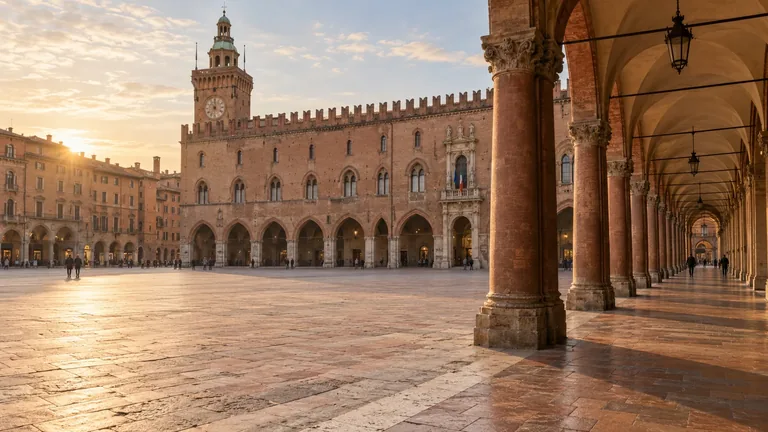
Browse Italy food tours and cooking experiences, then use local collections such as Bologna dining experiences to compare a manageable area. Add a suitable option to your trip planner and check its availability for the travelers joining that activity. Checkout takes place with Viator; only mark the activity booked after you receive the booking confirmation. The reward for a little preparation is a table where nobody has to spend the afternoon negotiating every bite.
Sources & further reading
Turn a good read into a great day.
Find a highly rated Italian experience that brings these stories to life.
Explore related experiences →